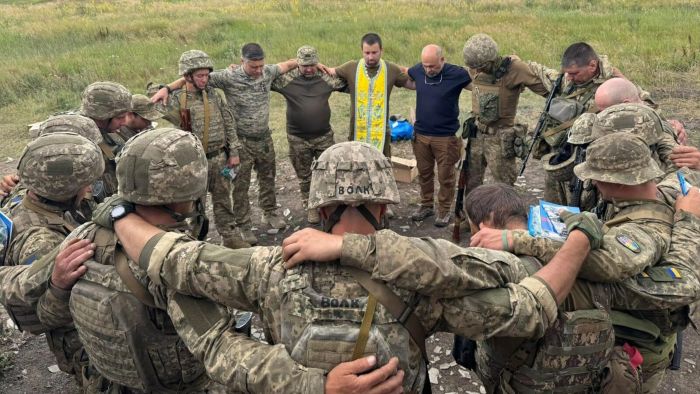
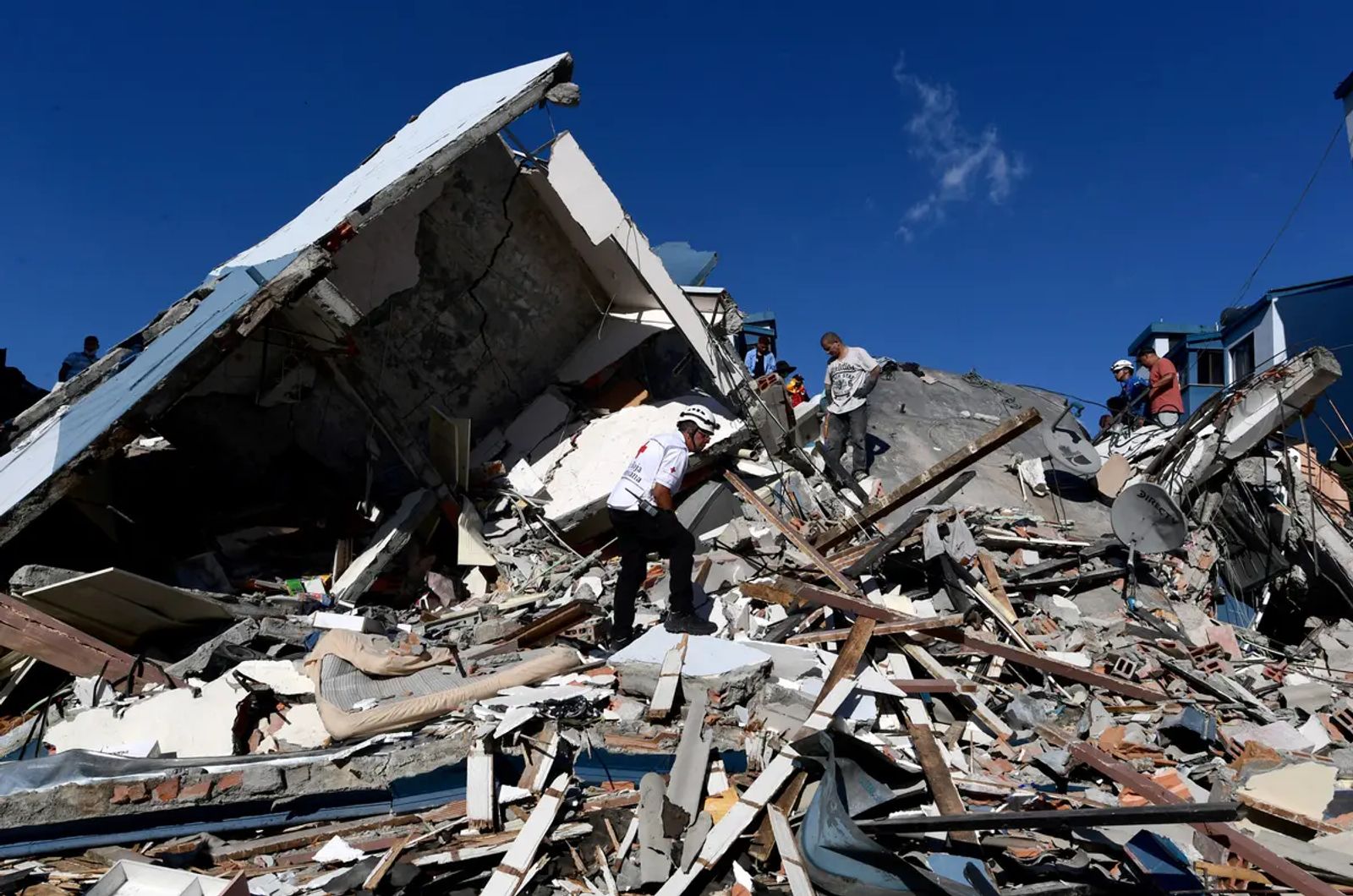
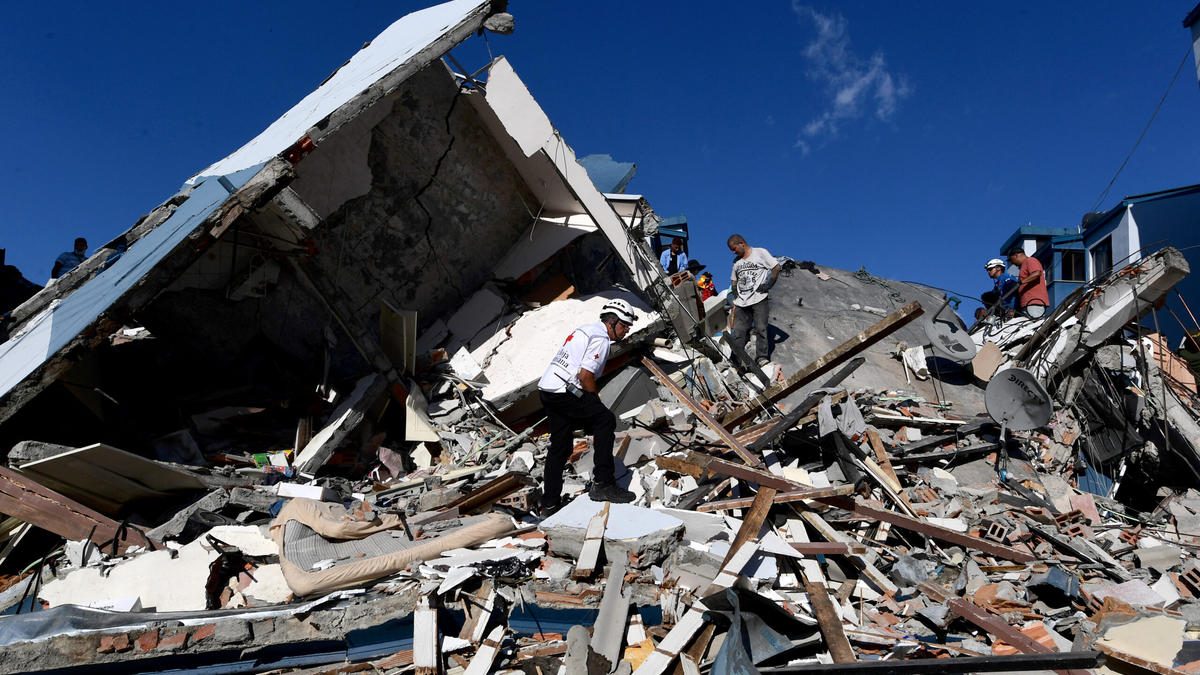
Churches in three countries are helping people through disaster and displacement. In western Colombia, a 7.4-magnitude earthquake killed at least 132 people on August 10, according to reports. In Guayaquil, Ecuador, parish volunteers have fed families after floods. In Egypt, The United Methodist Church is a place of worship and aid for refugees, many of them fleeing war in Sudan. These efforts show how local congregations often act first when disaster strikes.
What happened
On August 10, a 7.4-magnitude earthquake struck western Colombia. Colombia's Geological Service described it as the strongest to hit the country this century. Aleteia reported that at least 132 people died and dozens of buildings collapsed. The epicenter was in San José del Palmar, in the Chocó region. Officials said rescue teams were still searching rubble in several cities, and the death toll was expected to rise. Aleteia reported that Aid to the Church in Need approved emergency funding for the Catholic Church in Colombia. The foundation said it would work with local dioceses to assess damage to parish buildings.
In Guayaquil, Ecuador, El Universo reported that heavy rain flooded homes in the Las Orquídeas area on Sunday night. Parish volunteers at Jesús el Buen Pastor opened the church doors until 05:00 for families leaving their homes. On Monday, the parish moved its work to the Gianna Beretta pastoral center. There, it set up a temporary shelter and a community kitchen. The parish said it had served more than 1,050 people in its first days.
In Egypt, United Methodist News reported that the church's Egypt District was planted in 2013. It began with 20 members and now has more than 1,300. The church reported receiving 1,351 people displaced by war in Sudan since mid-April 2023.
Who is affected
Aleteia reported that the epicenter community of San José del Palmar has about 4,800 people. Governor Nubia Carolina Córdoba said 12 people were killed and 84 injured in Chocó. Aleteia reported that Risaralda had at least 40 deaths, and Valle del Cauca had at least 27. Around 1,600 buildings were damaged across the region, and at least 61 collapsed completely. Aleteia reported that more than two-thirds of Chocó's population lives in poverty.
El Universo reported that about 80 people work with the Ecuadorian parish. Parish priest Cléver Barzallo Zambrano said some older residents chose to stay in their homes. The parish kitchen served about 300 people in the evening. The Fernove Foundation said its community kitchen fed about 1,200 people from affected families.
United Methodist News reported that supporting one family with food, medicine and basic supplies costs about 5,000 Egyptian pounds, or about $100 a month. Pastor Ayoub Samuel Ali Kori said most of those affected are women, children and the elderly. Displaced children lack access to education.
The context
Aleteia reported that Chocó has few roads, so much of the region is reached only by air or water. The International Rescue Committee said communities in the area already faced armed conflict and high poverty before the quake. Aleteia also reported that the Catholic Church had responded to earlier disasters in Venezuela.
United Methodist News reported that Egypt is a mostly Muslim country. Coptic Christians form its largest Christian minority. The United Methodist Church there mainly serves refugees and foreigners. Its congregations meet in rented spaces and do not own permanent buildings. Kuku said the church began in 2013 in coordination with the East Africa Episcopal Area. He is superintendent of the Nuba Mountain District in Sudan.
El Universo reported that Guayaquil's neighborhoods were flooded after heavy rain. The reports did not give a total count of affected families across the city.
Voices
Colombian President Abelardo de la Espriella declared a national emergency. He said he would travel to Quibdó. In a video message, he said, "Colombia has a president who cares about the people." Nicole Kast, the International Rescue Committee's Country Director for Colombia, Venezuela and Ecuador, said her teams reported damage to hospitals and clinics in Chocó.
Cléver Barzallo Zambrano said the parish opened its church doors on the night of the floods. He said people had only time to run out with a few belongings. Martha Noboa, executive director of the Fernove Foundation, said her team found homes still holding water. Daniela Castro, a nurse with the foundation, said volunteers cooked for about 14 hours.
Bolis Matta Kuku said the Gospel is for all people, regardless of nationality. Pastor Haitham Mohammed Al-Sar said Bible study gives people encouragement and helps them overcome loneliness. He also said the church must address food, rent, education and medical needs.
What to watch
In Colombia, Aleteia reported that rescue teams were still searching for survivors. The death toll could rise. Aid to the Church in Need said it would monitor damage assessments in the coming days to plan long-term support. Aleteia also reported that Pope Leo XIV had not yet made a public statement on the quake. Officials are expected to continue reviewing damage to roads, hospitals and utilities.
In Ecuador, the parish said it still needed mattresses, sheets, towels, grains and non-perishable food. It said it needed protein most of all to keep cooking meals. In Egypt, United Methodist News reported that the church plans a Sudanese food shop to help fund its work, at a cost of $15,664.
GCN Bottom Line
Reports confirm that the Colombian earthquake killed at least 132 people and damaged many buildings. Reports also confirm that churches and aid groups in Ecuador and Egypt are feeding and sheltering people. The reports do not yet give final death tolls, complete damage figures, or the total cost of relief. Sources give different figures for some counts, so updates may change them.